Perspective · 1 September 2026
Amazon’s Prime Air plan is getting bigger. Cities will notice.
What a wider delivery footprint could mean for cities, emergency services and critical-infrastructure operators.

The most revealing number in Amazon’s latest Prime Air announcement may be 11, not 500. Amazon says the service could reach nearly 500 US cities and towns by the end of 2026, but today it operates from 11 sites across 10 metropolitan areas.
That headline can sound like a plan for 500 drone bases. It is not. Amazon says one site can cover about 175 square miles, so the same launch point may serve several cities or towns. Reuters reported that new locations still have to pass through local approval processes.
The target is about reach rather than hub count. A relatively small number of operating sites can bring regular delivery flights to many communities.
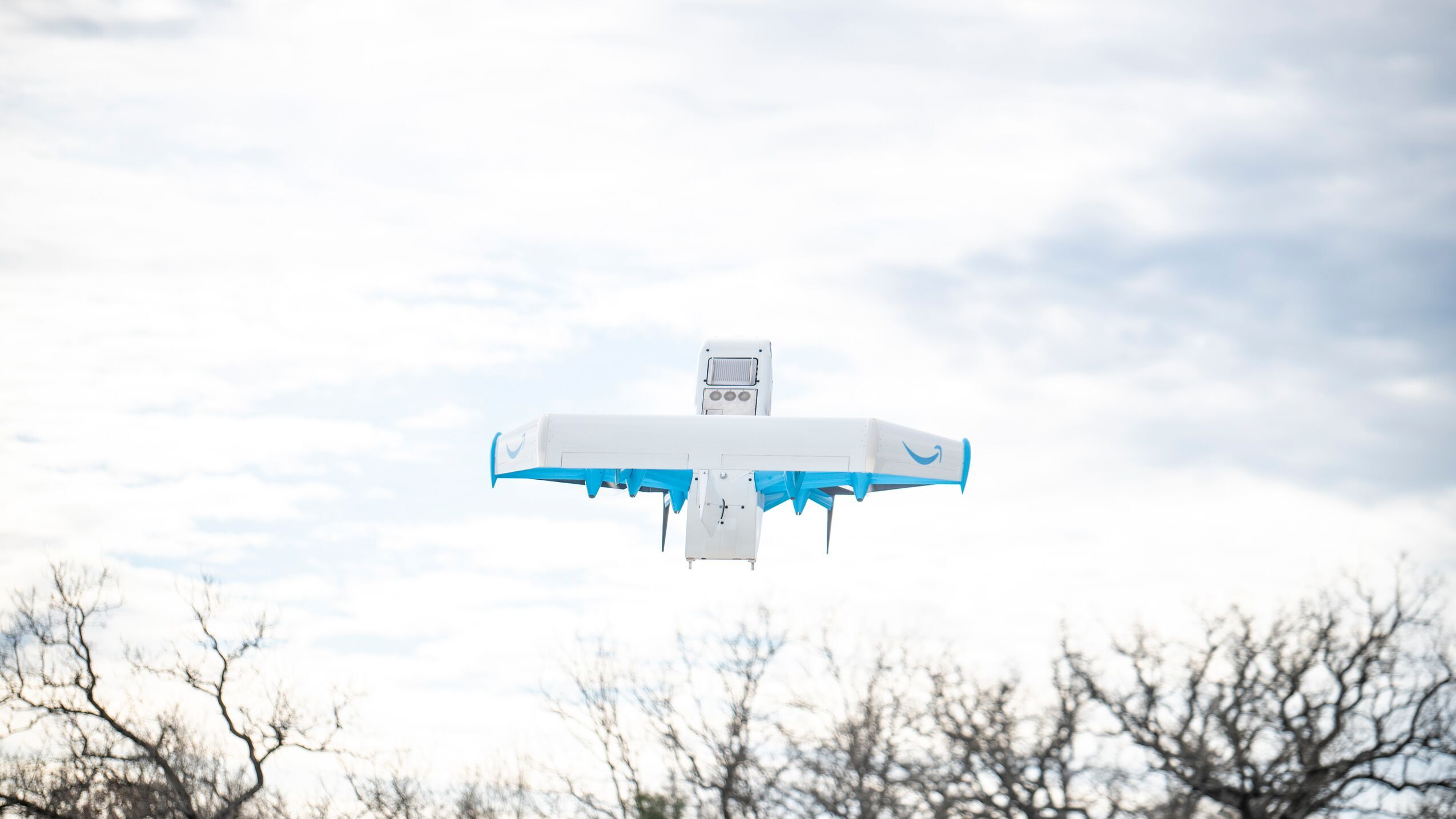
Amazon says Prime Air sites are already making thousands of deliveries a day and have delivered hundreds of thousands of packages this year. Some eligible orders can arrive in 30 minutes. The aircraft are highly autonomous, use Detect-and-Avoid technology during flight and operate under an FAA Part 135 air-carrier certificate.
Those systems help Amazon run its own flights. A local team looking up at the same aircraft may have far less information.
When a routine flight looks unfamiliar
Take a simple example. A security team at a power substation sees a drone nearby. Delivery flights are active in the area, but so are utility inspections, public-safety operations and recreational flights. From the delivery operator’s side, the aircraft may be exactly where it should be. From the substation, it is simply an unknown drone.
The team needs to work out what was seen, whether it matches a known flight and whether it entered a zone that matters to the site. If it does not match, someone has to decide what happens next and keep a record of the event.

That can be handled by phone calls and manual checks while flights are occasional. It becomes harder when several operators are flying regularly and each organisation is working from a different screen.
Amazon can account for its aircraft, routes and delivery records. Police and fire departments, airports, utilities and other infrastructure operators still have to understand the activity that affects their own work.
What SkyGrid adds
SkyGrid is designed to bring mapped airspace, operating zones, known flight information and supported sensor inputs into one place. An authorised team can compare a report with the information connected to its deployment and keep a structured event record when something needs a closer look.
The exact setup will differ from one project to another. Integrations, data sources and deployment requirements are agreed during scoping. SkyGrid does not fly or control delivery drones. It does not approve flights, replace air-traffic services or give an organisation authority to intervene.
SkyGrid gives authorised teams one place to check the information available to them when a drone report needs attention.
Before the flights arrive
Amazon’s rollout will be judged one community at a time. Customers will decide whether the service is useful. Residents will ask about noise and privacy. Councils will deal with approvals and public questions. Emergency services and infrastructure operators will have to consider how delivery routes sit alongside their own operations.
Before delivery flights become routine, local teams should decide who can access relevant flight information, how approved operations will appear and what happens when an observation does not match.
If Prime Air reaches its target, drone delivery could become available in many more communities before the end of the year. Local authorities and infrastructure operators should settle those questions before the traffic becomes routine.
Editorial note: Aerial Grid was not involved in Amazon Prime Air’s announced expansion. This article is based on public information available on 1 September 2026. No partnership, integration or deployment is implied.
Issued by Aerial Grid AG.
Editorial sources
Amazon: Prime Air drone delivery is expanding to nearly 500 US cities and towns
Reuters: Amazon plans drone-delivery expansion to about 500 US locales
Aerial Grid: SkyGrid product overview